As a teacher, I often get asked by both curious students and concerned parents: “How old should you be to wear makeup?” or “What age is appropriate to start wearing makeup?” The truth is, there isn’t one magic age that fits everyone. Kids develop at different paces, and the decision to begin wearing makeup depends on many factors – from a child’s maturity and motivation to a family’s values and comfort level. In this article, we’ll explore expert opinions from child psychologists, pediatricians, and dermatology experts, and offer guidance for teens excited about makeup as well as for parents navigating this topic with their children. The goal is to keep the conversation approachable, supportive, and informed.
Curiosity, Play, and Peer Pressure: Why Kids Want Makeup
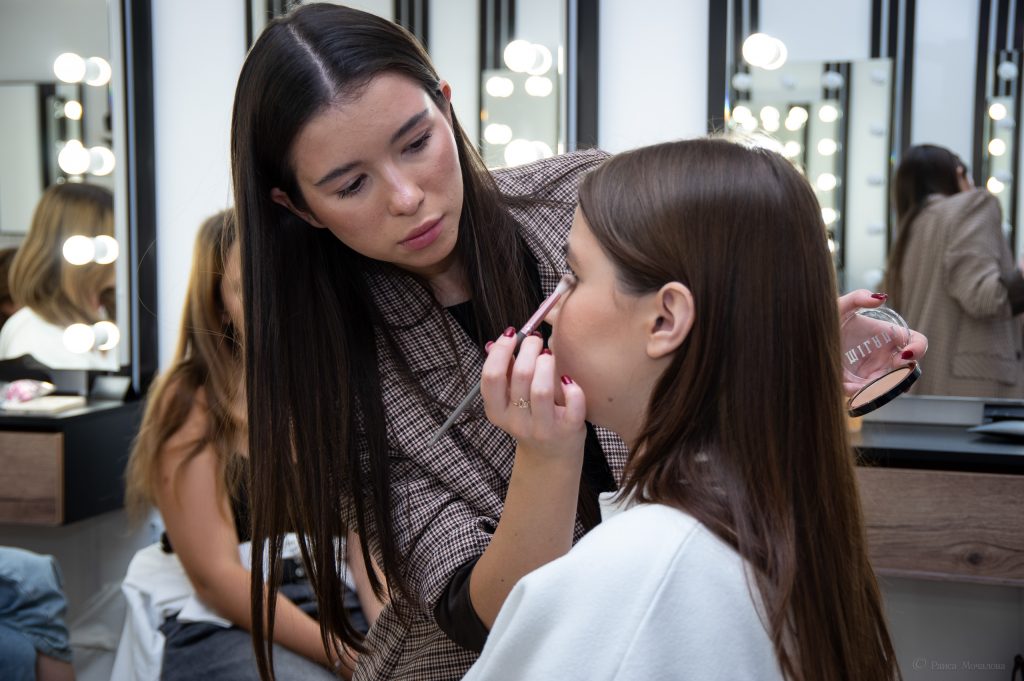
Children’s fascination with makeup often starts as innocent play. Many little ones love smearing on pretend lipstick or eye shadow as a fun form of dress-up. Psychologists note that a young child’s curiosity about makeup is “developmentally so normal” – even beneficial – when it’s part of imaginative play. In other words, if your three-year-old is reaching for your lipstick, it’s usually not a red flag. Playing with “grown-up” things like makeup can help kids practice fine motor skills and explore their identity, much like trying on costumes. Experts point out that forbidding this kind of “glamour play” outright can backfire, potentially dampening a child’s natural curiosity and sense of control in exploring their world. So if a younger child’s interest is purely playful (think princess dress-up or face painting), a little nontoxic play makeup under supervision can be harmless fun.
Things start to feel different when a child transitions from playful experimentation to using makeup for self-image or peer acceptance. As kids approach the preteen and teen years, they become more aware of beauty standards and peer pressure. A child who once only saw makeup as sparkly art might start seeing it as a way to “look prettier” or fit in with friends. One expert observed that there’s an “innocence of exploring makeup” at first, but later on it can turn into pressure to conform to beauty trends. Social media and influencers also play a role – today’s kids are exposed to endless makeup tutorials and product ads, even in elementary school. It’s no wonder many fifth graders are flooding makeup stores out of curiosity. The bottom line is that kids often want to start wearing makeup because they see it everywhere and it looks fun, but sometimes it’s also tied to deeper feelings about appearance and fitting in.
Is There a “Right” Age to Start Wearing Makeup?
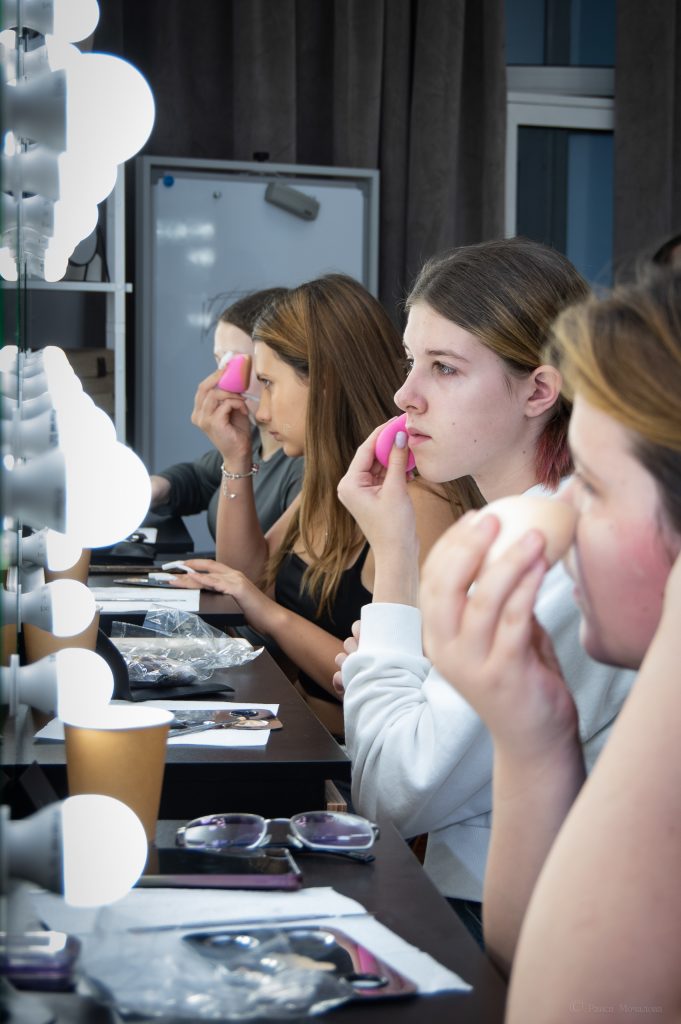
Parents and teens frequently ask, “What age should you start wearing makeup?” The honest answer from experts: there’s no strict “right” age for everyone. Cassandra Bankson, a skincare and beauty expert with decades of experience, emphasizes that “there is not necessarily a right age to start wearing makeup. It’s the same way there isn’t a perfect time to wear certain clothing or be responsible enough to babysit others.” Ultimately, “the ‘right age’ depends on each individual situation and each family”. Every child is different, and every family has its own values and comfort levels.
That said, it helps to know what tends to be common. Many kids start showing interest in makeup in early adolescence. Clinical psychologist Dr. Jo-Ann Finkelstein notes that “most kids typically start wearing makeup between the ages of 12–15, but often they’ll start experimenting in the house earlier” during playdates or dress-up. In other words, middle school is a common time when kids begin actually wearing modest makeup outside the house, though some may dabble younger at home. Some surveys and parenting resources have similarly found that around age 11-13 is a frequent starting point for makeup, but opinions vary on whether that’s “too young.” What’s considered appropriate can also depend on cultural norms and community standards – for example, if kids in your area commonly wear a bit of makeup for dance recitals or cheer competitions, starting earlier might be more normalized.
Rather than focusing on a number, experts suggest focusing on the individual child’s readiness and reasons. Pediatricians say there’s truly no universal “right or wrong” age – it’s more about how to introduce makeup in a healthy way whenever the interest arises. As a parent or mentor, ask yourself: Why does my child want to wear makeup now? Are they simply imitating what they see for fun, or are they seeking makeup because they feel insecure about their looks? Are they mature enough to handle the responsibilities (like applying it carefully and washing it off properly)? Thinking through these questions can guide you more than a birthday number will.
Maturity and Motivation Matter More Than Age
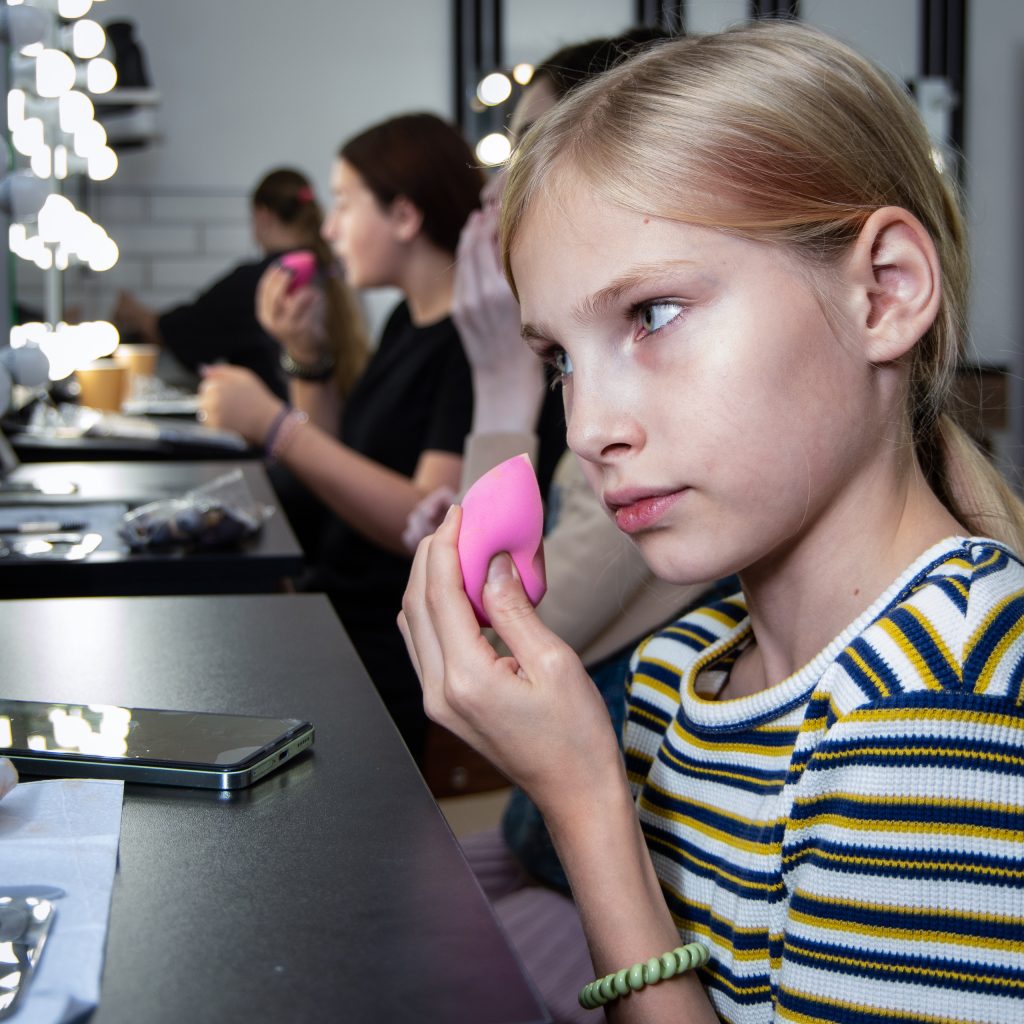
Maturity is often a better guide than a specific age. Some 11-year-olds might be responsible enough to handle a bit of makeup, while some 15-year-olds might not be ready – and vice versa. “Makeup readiness is usually better judged by maturity rather than age,” Bankson explains. For example, we’d probably agree a 4-year-old wearing bright red lipstick and false eyelashes out to preschool would feel out of place – not because of the number “4” per se, but because a toddler typically isn’t developmentally ready for that. On the other hand, a 14-year-old with the patience to learn subtle makeup and care for their skin might handle it just fine. Every child develops at their own pace.
The reason a young person wants to wear makeup is crucial. Is it stemming from creative self-expression or from insecurity? Bankson encourages parents (and teens themselves) to reflect on the purpose makeup will serve. There are many valid reasons a tween might be drawn to makeup. Some kids are artistic and see makeup as another canvas – a fun way to experiment with colors and looks. In the best cases, makeup can be a form of identity exploration and creativity. “Instead of thinking of it as ‘just makeup,’ think of it as identity exploration,” Bankson says. Tweens and teens may try out different styles – preppy, gothic, sporty, etc. – and makeup is one way to play with those identities in a low-stakes way. When used for joy and self-expression, makeup can actually boost confidence and let kids explore who they are in a healthy way.
On the other hand, if a child is eager to wear makeup because they feel “ugly” without it or are pressured by peers, that’s a flag to pause and talk. Dr. Finkelstein suggests asking your teen what wearing makeup means to them: “Are they doing it because it helps them feel grown-up? … Because they don’t feel pretty? Because they want to change something about themselves? Because it’s fun and creative?”. If the motivation is mainly to cover up insecurities or to please others, the child might need support building self-esteem more than a mascara wand. Makeup should be an enhancement, not a crutch. In fact, using heavy makeup as an emotional “shield” to cope with low confidence can become unhealthy. One key sign of “too much, too soon” is if a teen absolutely refuses to be seen without makeup or layers it on to mask deeper issues. In those cases, it’s important to address the underlying feelings – gently invite them to talk about what’s bothering them, possibly with a counselor – rather than just focusing on the makeup itself.
Finally, consider environmental factors that might influence timing. Sometimes a child’s circumstance prompts earlier makeup use – for example, a child who has a facial birthmark or acne might ask for concealer younger if they’ve been teased at school, which is understandable. Or a kid with an older sibling who wears makeup might naturally want to follow in those footsteps sooner. These situations don’t have a one-size-fits-all rule; they call for empathy and individualized decision-making. In short, the “appropriate” age isn’t a number but a combination of maturity, intent, and context.
Tips for Teens: Starting with Makeup the Smart Way
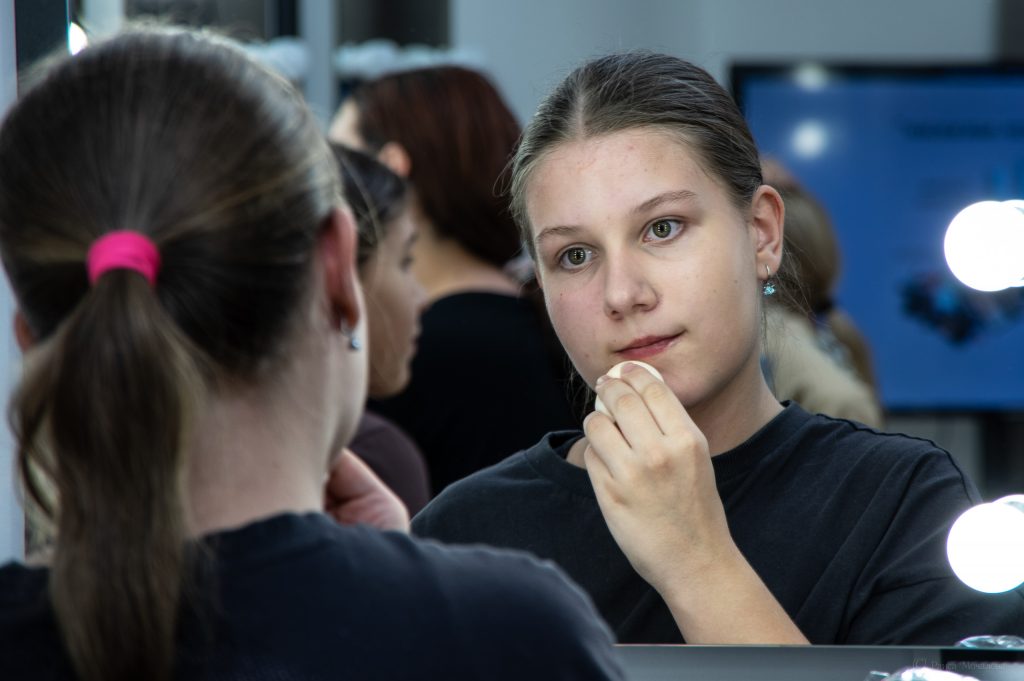
If you’re a teen (or preteen) excited to start wearing makeup, congratulations – this can be a fun new stage of growing up! Makeup is a form of creativity and personal style. To make sure you start off on the right foot, here are some friendly tips (with expert advice) for beginners:
-
Ease into it – start simple. You don’t need a full face of heavy makeup on day one. Experts suggest starting with one subtle item and building from there. For example, begin with a clear or lightly tinted lip gloss or lip balm for a bit of shine. As you get older and more comfortable, you might add a touch of mascara or a dab of concealer for blemishes. A pediatrician advises not to “dive in with heavy lipstick and eyeliner” right away. Think of it like learning to ride a bike with training wheels; less is more when you’re just starting out.
-
Choose age-appropriate styles and products. You might love watching beauty gurus create dramatic looks, but for everyday makeup at a younger age, it’s wise to stick to a natural look. A professional makeup artist recommends that younger teens keep to “neutral or lighter colors appropriate for daytime”. That means you might opt for soft earth-tone eye shadows instead of intense smoky eyes, or a tinted moisturizer instead of heavy foundation. Not only will this look more appropriate for school or casual settings, it also lets your young skin breathe. Speaking of skin: try to use products suited for sensitive or teenage skin. Look for terms like “non-comedogenic” (won’t clog pores) and consider fragrance-free, gentle products if you can – these are less likely to irritate. If you’re prone to acne, avoid heavy oil-based foundations and creams which can make breakouts worse. When in doubt, ask a dermatologist or even a parent for help picking gentle products.
-
Always take care of your skin. One non-negotiable rule if you wear makeup at any age: remove it and cleanse your face every single night. Never go to bed with makeup on! This keeps your skin healthy and prevents clogged pores or irritation. Develop a basic skincare routine alongside your makeup routine. For example, wash your face with a mild cleanser each morning and night, and apply a simple moisturizer. If you start using makeup regularly, you also need to keep your tools and products clean – don’t share mascara or lip gloss with friends (it can spread germs), and throw out old makeup after 6-12 months to avoid bacterial buildup. As one skincare expert advises, “they need to prove that they can take care of their skin first before wearing [makeup]” on a regular basis. Show your parents you’re responsible by sticking to good hygiene habits. Your skin will thank you!
-
Use makeup to express, not to hide. Remember that makeup is meant to enhance your natural beauty, not completely change who you are. A pediatric doctor put it perfectly: “Teach your child that makeup is meant to enhance their appearance, not change or overpower it.” If you love a swipe of sparkly eyeshadow or a bold lip color now and then, great – enjoy it! But you should also feel okay and confident in your own skin without makeup. If you ever catch yourself thinking you’re “ugly” or “unpresentable” without it, take a step back and talk to someone you trust. True confidence comes from appreciating your unique features and talents beyond cosmetics. Makeup is just a fun extra – you are what makes you beautiful.
-
Learn and have fun (safely). Part of the excitement of starting makeup is learning how to do it. Consider asking a parent, older sibling, or friend to show you some techniques. You can also find tons of beginner-friendly tutorials on YouTube or TikTok (with permission if needed) that teach simple looks step by step. It can be a neat bonding activity to practice a little makeup together with your mom, dad, or a friend. Try a weekend “makeup play day” where you experiment with different styles at home – no pressure to be perfect. And don’t worry if your first attempts aren’t like Instagram photos – everyone starts somewhere, and makeup skills improve with practice. Enjoy the process! As long as you approach makeup as a fun way to express yourself (and not a requirement for being seen), you’re using it in a healthy way.
Guidance for Parents: Navigating the Makeup Question
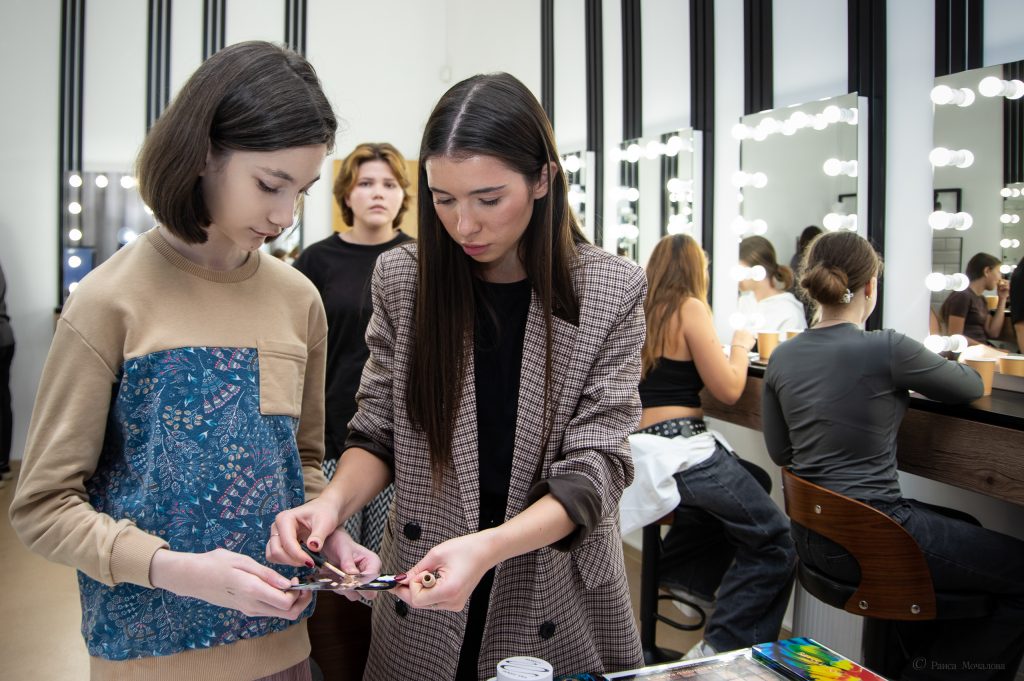
If you’re a parent wondering when to allow makeup, you’re not alone. Many moms and dads feel torn between wanting to protect their kids and wanting to support their self-expression. It can indeed be tricky – you might worry about your child growing up too fast, facing judgment, or harming their skin. Here are some guidelines from child development experts and psychologists, offered in a supportive, teacherly tone:
-
Have an open conversation (and really listen). The first step when your child says, “I want to wear makeup,” is not to panic or snap “no” – but to talk with them. Pediatricians advise having an open discussion as soon as your child expresses interest. Stay calm and ask questions. For example: “What makes you interested in makeup?” or “How do you feel when you see yourself with lipstick/eyeshadow on?”. Encourage them to share their perspective. Dr. Finkelstein says she’s “less concerned with [finding the] appropriate age… and more about what it means to them”. By asking why they want to wear makeup, you might discover they find it artistic and fun – or maybe they’re feeling peer pressure or insecurity. Understanding the “why” will help you respond in the best way. And importantly, listen without judgment. Even if you hear an answer that worries you (e.g., “I just want to be pretty like the other girls”), try not to lecture or scold right away. Keep the dialogue open so your child feels heard and safe to share.
-
Set clear boundaries and expectations. After talking, it’s okay (even helpful) to set some family rules around makeup. You are the parent, and kids actually benefit from knowing where the limits are. Some families decide on a specific age or grade when makeup is allowed – for instance, maybe lip gloss is fine at 12, mascara at 14, but full foundation only at 16+. There’s no universal rule, but think about what “feels right” for your family’s values and communicate that clearly. If your child is too young in your opinion, explain your reasons calmly: e.g. “I think 10 is a bit early for regular makeup because I want your skin to stay healthy and for you to enjoy being a kid. How about we wait until you’re 12, and then we’ll start with something small?” Also, consider compromises: maybe you’ll allow a little makeup for special occasions (like a school dance or costume party) but not for everyday school at first. Or you might say, “You can play with makeup at home, but not wear it out yet.” Setting these limits in advance can prevent daily power struggles. If you do set an age, make sure to follow through – it gives your child a clear timeline so they know what to expect. For example, “Not yet, but when you’re 13, we’ll revisit this and maybe start then.” That certainty can actually make waiting easier.
-
Avoid shaming or scaring them. One of the toughest balances is guiding your child without making them feel ashamed. If your teen ends up applying a look you feel is over-the-top, resist the urge to respond with “You look ridiculous!” or “Absolutely not, go wash that off!” – this can hurt their self-esteem and shut down communication. Psychologist Dr. Finkelstein acknowledges the challenge: “We have to keep our kids safe and guide them to a healthy sense of themselves, but we have to do that in a way that doesn’t disrupt the process of figuring out who they are… We have to do it without shaming them.”. In practical terms, that means you should correct or limit their makeup use with empathy. You might say, “I understand you like that style, but I feel it’s too mature for school – how about we save the dark eyeliner for weekends and do something lighter for weekdays?” Explain your concerns (e.g., “I worry that look might attract unwanted attention” or “Heavy makeup could give people the wrong idea, and I want you to be safe.”). Emphasize that your goal isn’t to squash their style, but to make sure they’re healthy and confident. Also, be honest about the world: unfortunately, once kids (especially girls) start looking older or wearing noticeable makeup, some people willmake comments or even treat them differently. That’s a reality you can discuss without scaring them: “Some people might try to judge you or objectify you when you wear makeup. Neither of us can control that, but we can talk about how to handle it and still feel good about yourself.” This kind of open dialogue prepares them for reactions they might get, without making makeup a forbidden fruit.
-
Teach skills and safety (make it a learning experience). If you’re okay with your child using a bit of makeup, take the opportunity to guide them in doing it safely and in moderation. For instance, go shopping together for age-appropriate cosmetics. You might start by bringing home a few parent-approved items (tinted lip balm, light powder, etc.) and letting them try those, instead of turning an 11-year-old loose in a huge makeup store to pick anything. Explain what ingredients or products to avoid for young skin – maybe extremely heavy foundations, very dark lipsticks, or anything irritating. If you’re not sure, consult a dermatologist about gentle options, or use resources like the EWG Skin Deep database to check product safety ratings. Show them how to apply the products correctly: for example, how much is appropriate, how to blend, how not to share eye makeup with friends (to avoid infections). You can even watch a beginner makeup tutorial video together and practice, making it a bonding activity. By being involved, you demystify makeup and ensure they learn good habits. Your guidance will help them feel supported rather than secretive. Remember, you are their first and best ally in growing up. If others (like relatives or other parents) criticize your approach, you can confidently say, “This is how we do things in our family,” knowing you’ve made an informed choice.
-
Emphasize inner confidence alongside outer appearance. Throughout this process, keep sending the message that wearing makeup is a personal choice, not a necessity for worth or beauty. Compliment your child often on their qualities that have nothing to do with looks – their creativity, kindness, humor, effort in school, etc. Let them know that makeup is optional and just one way to express style. Also, be mindful of how you (the parent) talk about your own appearance. Kids pick up on our attitudes; if they see a parent anxiously refusing to leave the house without makeup, they might internalize that as “I’m ugly without it.” If you wear makeup yourself, take a moment to explain your own healthy reasons: e.g., “I like putting on a little makeup for work because it’s fun and makes me feel put-together, but I’m happy without it too”. This helps your child understand that makeup isn’t what makes a person valuable. One expert wisely noted that kids should “see that they have talents, creativity, and ways they can benefit the world outside of what they look like”. That’s a wonderful lesson to impart. So, alongside teaching how to do a perfect lip gloss application, make sure to nurture their self-worth and identity beyond the mirror.
Lastly, remember that letting your child engage with makeup (within reason) isn’t dooming them – it can actually be a positive experience when guided well. By treating it as an opportunity for connection and teaching, you help your teen learn how to navigate the world of appearance with confidence and critical thinking. One parenting expert advised using this milestone to stay close: “I always think, what do I say or do to keep my daughter close and connected to me, and to help her be ready to face what comes in the world.” If you approach the makeup question with openness and support, you’ll likely strengthen trust with your child. And that matters more than the perfect eyeliner wing ever will.